
Buying a Second-Hand Kite: What to Check

In short
A kite two or three seasons old often costs half its new price and rides almost the same, so long as you know what wears out.
The canopy cloth, the bladders and the bar and lines are the three places a used kite tells the truth about its life.
The buyer's checklist
After this you'll know what to ask before you pay, what to inspect the moment it arrives, and how to buy interstate without getting burned.
Kitesurfing is cheap for the buzz it gives you, right up until you price a brand-new quiver.
A kite that is two or three seasons old often sells for half what it cost new, and on the water most riders could not pick the difference.
Age is the first filter. Depower and relaunch have come a long way, so anything built before roughly 2012 tends to have a narrow wind range and a slower, less forgiving recovery.
When to buy
Timing works in your favour. Riders trade up to new models in spring and autumn, so that is when last season's kites reach the classifieds at their best prices.
People also leave the sport all year through moves, injuries, work and family, which means good gear changes hands every week.
Match your quiver, not just your budget
Buy the model you already ride. You keep one feel across sizes, you understand how the kite behaves, and you can often reuse the same bar and lines.
Sticking to a proven flagship helps too, because designs like the North Rebel, Cabrinha Switchblade or Slingshot Rally are refined a little each year rather than reinvented.
Watch how your sizes overlap before you commit.
Add a 9m to a quiver that already has a 12m and you can find their wind ranges almost touching, leaving a gap lower down instead of filling one.
"The canopy, the bladders and the bar are where a used kite tells the truth about its life."
Questions to ask before you pay
How old is it? If the seller has not stated the model year, ask outright, because it sets your expectations for depower, relaunch and remaining life.
How much use has it had? Hours in the air matter more than age, so ask about sessions per week and whether it has spent time flogging on the beach.
Has it been repaired? A professional patch is fine, but be wary of multiple repairs or a replaced panel, and ask for clear photos of every fix.
Do the bar and lines come with it? Many kites only fly right on their matched bar for that year, so a kite sold bare can cost you a few hundred dollars to complete.
What to check the moment it arrives
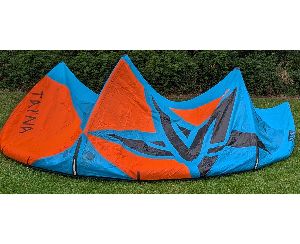
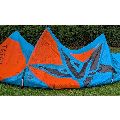
Start with the cloth. Light, even crinkle is normal and healthy, but stretch marks, a stiff shiny canopy or stress lines near the trailing edge point to hard use.
Test the bladders. Pump the kite hard, leave it an hour, then come back, because it should still be rock solid with strut seams running straight.
Read the pigtails. These little connector loops wear fast and honestly, so frayed or stretched pigtails reveal plenty of sessions whatever the seller says.
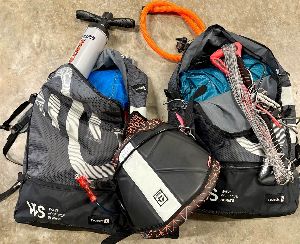
Work the bar. Check the lines for even length and fuzz, look at the depower rope for wear, and make sure the cleat and rubber mouldings are not corroded or splitting.
None of these are deal-breakers on their own.
Worn lines or a tired bar simply become bargaining chips, because a fresh line set costs far less than a new kite.
Buying interstate without getting burned
Most second-hand sales now happen online, which means you are often paying before you ever touch the kite.
Vet the seller first. Check how long they have been on the site, whether they post in the forums, and get them on the phone rather than trading emails alone.
Write down their number. Sellers usually pull the ad once it sells, taking their contact details with it, so save everything before you pay.
Agree on delivery and risk upfront. Cash on delivery protects you, and if you post a kite, remember Australia Post caps most lost-parcel payouts near $100 regardless of value.
Insurance feels dear at the counter but is cheap next to a lost $1,000 kite, so weigh it up before you ship.
When you know exactly what you want, the fastest way to find it is a big, active marketplace with photos and side-by-side model comparisons.
Browse the kite and board classifieds , then check the wind forecast so your new-to-you kite is rigged and ready the next time it blows.
Questions & Answers
How old is too old for a first kite? For learning, avoid kites more than about eight years old, as older designs relaunch slower and depower less, which makes early mistakes bite harder. A well-kept kite from the last four or five seasons is the sweet spot.
Can I mix a used kite with another brand's bar? Sometimes, but many modern kites are tuned around their own bar and line lengths, so a mismatched setup can change the wind range and feel. Buy the matched bar where you can.
How do I check the bladders if I can't pump it up fully? Ask the seller to inflate it before you arrive and photograph it firm, then feel each strut and the leading edge yourself. Soft spots after an hour mean a slow leak.
Is a repaired kite worth buying? Yes, if the repair is professional and small. One neat patch barely affects flight, but several repairs or a whole replaced panel point to a hard life, so use them to negotiate or walk away.



 Manly Beach, NSW