
Safe Kiting: The CLEAR System Explained

In short
Kitesurfing is safe when you respect it, and the CLEAR system gives you a five-point routine to run before every session.
CLEAR stands for Conditions, Look, Equipment, Attitude and Respect, and it turns good habits into instinct.
What you'll learn here
How to work through each part of the CLEAR checklist so your judgement, not luck, keeps you and everyone else on the beach safe.

Kitesurfing is as safe as houses when you keep your wits about you.
Most incidents come from a lapse in judgement, not bad luck. The CLEAR system exists so the important checks become second nature every time you rig up.
Run through it in order, from the moment you read the forecast to the second you land your kite.
C is for Conditions
Read the wind before anything else. Check both strength and direction, and match your kite size to what is actually blowing, not what you wish for.
Onshore wind pushes you back to the beach, offshore wind blows you out to sea, and cross-shore sits between the two.
Keep the downwind area well clear. If your kite drops or drags you, everything downwind of you is in the firing line, so leave a wide margin.
Factor in waves, tides and currents, and always consider how the day might change once you are committed.
Check the wind forecast before you leave home so the conditions match your skill level.
L is for Look
Look before you act, every single time. A quick scan upwind and downwind takes a second and prevents most collisions.
Do it before you launch, before you land, and before you jump, jibe or change direction near others.
"Use judgement to prevent situations, rather than relying on skill to get out of them."
E is for Equipment
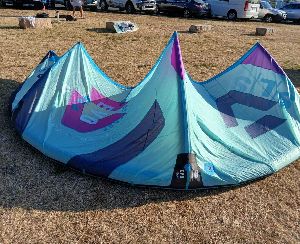
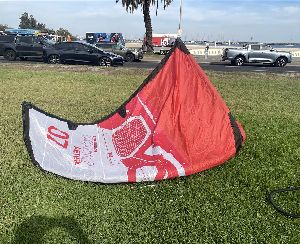
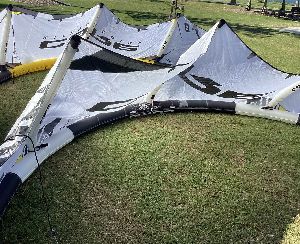
Run a pre-flight check on every part of your kit. Lines, bar, chicken loop and canopy all get a look before you hook in.
Use a kite leash, never a board leash, so a loose board cannot spring back and hit you.
Fit a quick release to anything you hook into, and practise firing it until the movement is automatic.
Never exceed the manufacturer's specifications, especially the recommended wind range for each kite size.
A is for Attitude

Seek out local advice and actually listen to it. Regulars know the hazards, the launch spots and the rips that a map will never show you.
Do not exceed your own limitations, and treat every session as a chance to build skill rather than prove it.
Ego is the most common cause of trouble on the water, so leave it in the car park.
R is for Respect
Respect everyone who shares the beach and the water. Swimmers, surfers, walkers and fellow kiters all have a claim to the space.
Respect the law and any local rules on where you can launch and ride.
Follow the right of way rules with other kiters so nobody has to guess your next move.
Respect the environment too, and leave the beach as clean as you found it.
Questions & Answers
What does CLEAR actually stand for? Conditions, Look, Equipment, Attitude and Respect. It is a simple mental checklist that walks you through the key safety decisions in the order you naturally make them, from reading the forecast to sharing the water.
Why a kite leash and not a board leash? A board leash can fire your board back at your head like a slingshot after a fall. A kite leash instead keeps you connected to your depowered kite, which is the piece of gear you want to stay attached to in an emergency.
How do I judge if the wind is too strong? Match your kite size to the wind range printed by the maker, and err smaller when unsure. If experienced locals are rigging conservatively or staying on the beach, treat that as your answer.
What should a beginner practise first? Firing your quick release until it is instinctive, and self-landing your kite safely. Both are the skills that turn a bad moment into a non-event, so drill them before you need them.


 Perth, WA