

As is the way with older boats, nothing is very easy when it comes to removing items that have never been removed. A couple of weekends ago, I wanted to replace the plastics air vents with new ones. Each was held in with 4 screws. I had a success rate of 50%, 8 broken heads, 8 removed in one piece.
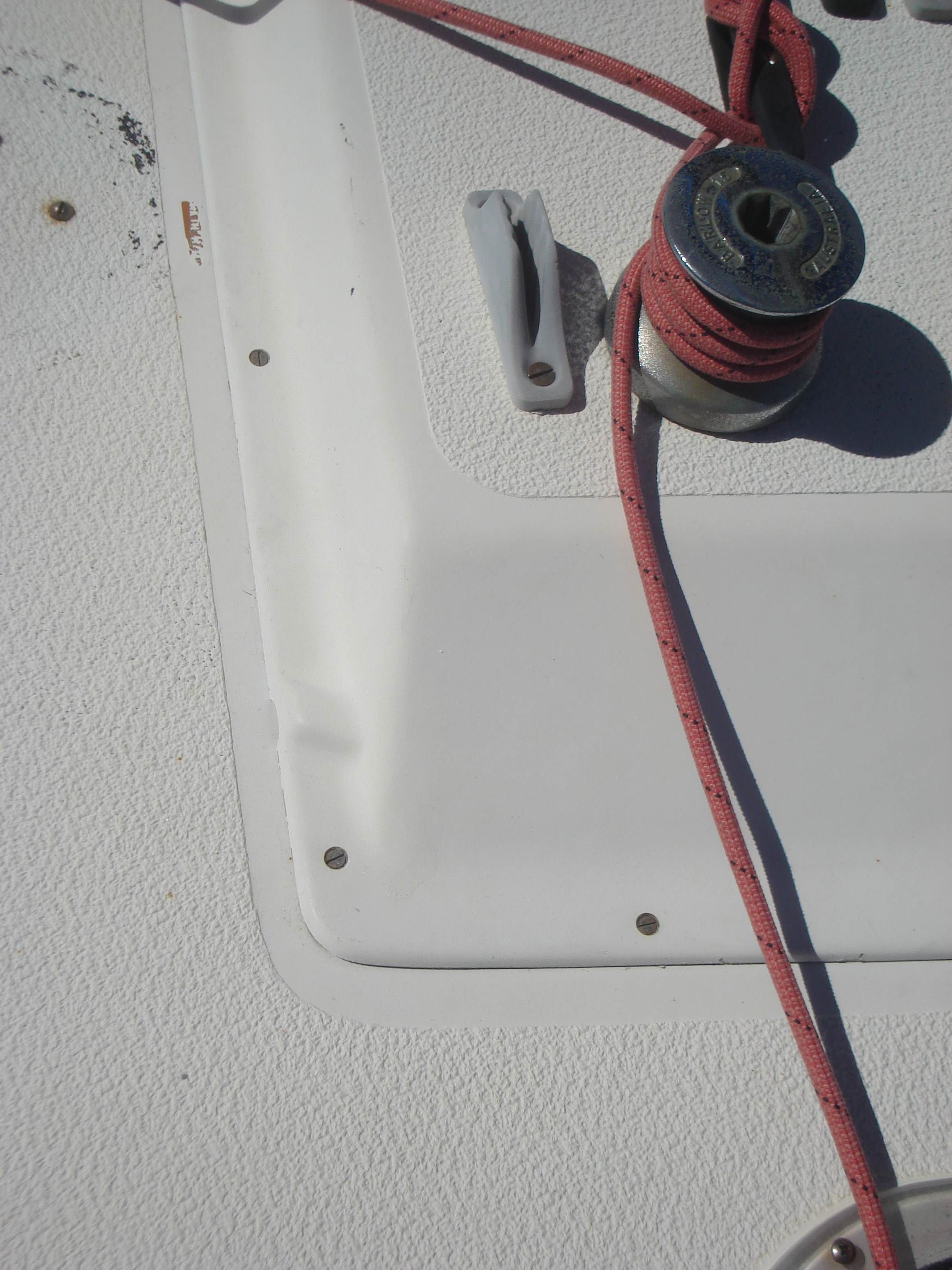
I now need to remove the fiberglass cover from over the hatch. The screws are circa 1976, very soft metal (sorry not sure what metal exactly, but appears to be brass) and if like the other ones, stuck in with white liquid gunk to make them almost impossible to remove in one piece.
Any thoughts on removing the screws in one piece?
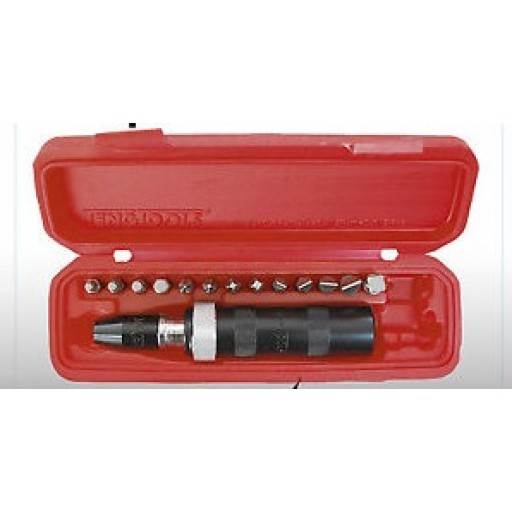
Vek tools 28 bucks. your best friend on an old boat!
impact screwdriver, small mallet. one short sharp whack will loosen it.
use heat soldering iron on screw head get them red loosens corrosion and breaks down glue bond
+1 for the impact driver, but if the screws are really stuck and made of brass it may just excavate the slot. They're great with SS but it can be an issue with softies.
Where there is access to the nut from beneath, I have successfully used a multi-tool to cut away flush with the inside surface. Scratches things up slightly, but works well, especially with a softer material but also with SS (just takes twice as long).
Cheers, Graeme
Cordless impact driver works a treat. For stubborn ones use a heat gun with small nozzle or a soldering iron to heat it up and a dremel tool with cutting disc to redo the slots or clean the slots if they are full of paint .
Impact drivers are only as good as the integrity of the screw, If your going to snap the head off a screw with a normal screwdriver you will do it faster with an impact driver.
Hand held impact drivers work a little differently to a rattle gun type because the blow from the hammer acts down on the screw which can help free the thread and it also helps stop the driving bit from riding out of the seat,, as well as creating a rotation motion.
An impact rattle gun only puts as much downward force on the screw as what you can push.
Generally impact drivers aren't the best for seized threads but are great for loosening from a high torque.
For rotten brass screws in wood, I do my best to snap the heads of then place a piece of thick metal with a pilot hole for a drill bit over the broken screw and drill it out. The metal guide helps stop the drill from wondering off the center of the broken screw. If you can clamp the metal guide in place or if its big enough to stand on,,, even better. Then just fill the holes and re-drill.
Some jobs don't require the accuracy so just a drill will do the job or use the fitting you are removing as a pilot
For screws that are stuck in epoxy or resins, the heat method often softens the glue holding them and they just wind out easy
Thanks for all the advice. I have a soldering iron, but I would think that it will require one of the propane flame jobbys as my soldering iron wont get those screws red hot.
Like your suggestion Jolene regarding the metal plate with pilot hole. I will get a screw removing bit of the right size and have a go in a few weeks when the boat is in a work berth.