


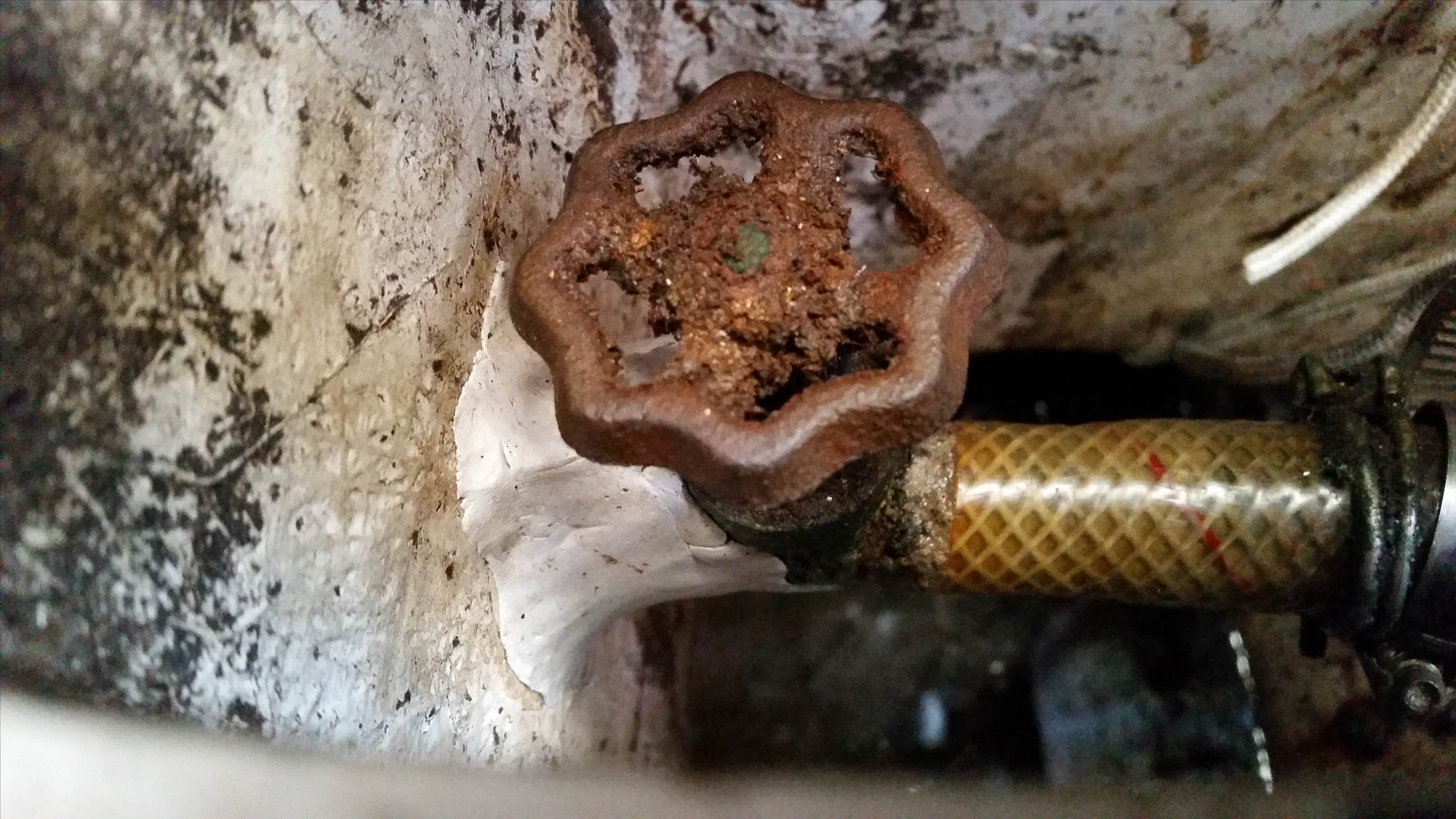
During the process of removing the old inboard diesel , the old thru hull has cracked on the outside of the seacock .i have put some knead it aqua, around it which has slowed the leak. I'm about to jump over the side to push some knead it up the thru hull from the outside. Anyone got any other ideas to stop the leak completely, if i can't get up on the slip way tomorrow. I have some wooden plugs ready. Cheers
Wooden plugs work amazing magic! I left my old yacht with a wooden plug for 3 months till I sold it...not a drop!
You could try a clarke pool repair patch. This is a plastic patch about 5 times bigger than the hole, the glue used is kind of like contact, but works when wet. Not sure about salt water, but the water pressure could well hold the patch in place until you get her up.
Best make sure you're bilge pump can keep up with the water ingress!
Thanks Michael and SA.
I didn't know about those pool patches, will look into them depending on how the Knead It Aqua goes. Which seemed to virtually stop the leak. Staying onboard to make sure and hoping to get on the slip tomorrow
Hi Bluemoon, i had a similar incident, I had a new through hull available, so i wrapped some masking tape around the base of the through hull, i put a wooden plug in the end of the through hull and cut off the excess wood so that the plug was no larger that the through hull itself, then put that aside. i then removed the hose from the existing sea cock , i slowly unscrewed the sea cock, once removed and with my hand over the now open though hull i pushed the old through hull out by pushing in a wooden plug, thus blocking the flow of water, but didnt drive it home to hard, I then jumped over the side with the new through hull in my hand, located the end of the wooden plug and then pushed through the new through hull with the wooden plug already in it, the reason for the masking tape wrapped around the end of the through hull was to ensure a soft but tight fit into the hole, i gave it a hit with my hand to drive it home, then got back into the boat, screwed the locking cap onto the through hull i then removed the wooden plug and screwed on the new sea cock. in total it took me ten minuted and there was maybe a total of 2 lites of water that got into the boat. i was surprised how simple and how easy it was.
Ben 405
Great work Ben!
Congratulations - you're the sort of Mcgiver that can rely on his own abilities to get out of trouble.
regards,
Allan
They bored a hole through the hull
To let the water out
And more and more with awful roar
The water in did spout
If you follow bens method, Fixtech sealant works underwater. I think there is a video of them placing a skinfitting under water.
Select to expand quoteBen405 said..
Hi Bluemoon, i had a similar incident, I had a new through hull available, so i wrapped some masking tape around the base of the through hull, i put a wooden plug in the end of the through hull and cut off the excess wood so that the plug was no larger that the through hull itself, then put that aside. i then removed the hose from the existing sea cock , i slowly unscrewed the sea cock, once removed and with my hand over the now open though hull i pushed the old through hull out by pushing in a wooden plug, thus blocking the flow of water, but didnt drive it home to hard, I then jumped over the side with the new through hull in my hand, located the end of the wooden plug and then pushed through the new through hull with the wooden plug already in it, the reason for the masking tape wrapped around the end of the through hull was to ensure a soft but tight fit into the hole, i gave it a hit with my hand to drive it home, then got back into the boat, screwed the locking cap onto the through hull i then removed the wooden plug and screwed on the new sea cock. in total it took me ten minuted and there was maybe a total of 2 lites of water that got into the boat. i was surprised how simple and how easy it was.
Ben 405
Holy crap Ben!!!! I can see how that would have worked, it woud have been stressful. You're a brave man.
An old friend of mine who has sailed for a whole lot more years than i have, told me that you should try not to let to much surprise you on your boat, by that he meant that you should pull stuff apart and see how or why it works when your tied up to a mooring or berth, so you know how to or what to do when you have to, and probably in not the nicest of conditions, another of his suggestions was to open a valve or in my case remove a through hull and see just how much water comes through the hole into your boat, how much pressure is behind the water and how hard or easy it is to stop the flow, if you do that under a controlled situation, if or when you do have water coming into your boat, you hopefully will then have some idea as to how bad the situation is. So with that little bit of knowledgem replacing a through hull with the boat in the water wasn't that big a deal, or maybe i was just lucky to get it right.  Ben 405
Sorry Ben, That would not pass my risk management Im afraid . Saying that each to his own , well done any way
Well done Ben! It would also have been fairly low risk - even if the process fails, no boat is going to sink in the time it takes to get back onboard and shove another wooden plug into the hole.
Ben's point about testing and seeing stuff in action reminds me of an easy way to see 1st hand the effect of a through hull breach would be to remove a sumlog paddlewheel.
Oh and put it back!!