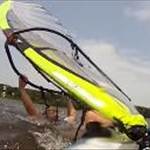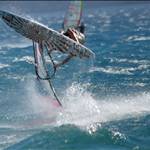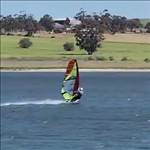


Hi guys, thought I would throw this one to the brains trust. I've been learning on a 110L board, struggled a little at first with the small size but going sweet now, can beach start, tack, plane (occasionally) and nailed my first waterstarts today! My next thing to cross off on my list is getting into the footstraps but so far I haven't been sailing with a harness and spent most of the day just off the plane as my forearms kept getting tired in the stronger wind (haven't been able to get out in good wind like this because of work). So basically I was wondering if I should get my harness and lines first and get used to sailing with them to help improve my planing time and stability and THEN work on getting into the straps or get the foot straps down first then get the harness? any thoughts appreciated, cheers FE.
a harness helps you plane earlier and you should learn to use it before using the straps
Agreed.
In marginal conditions (barely planing, maybe a little bear away and pump required) you don't want to be in the harness but if it is strong wind and a large enough board, then 90% of the time you will hook in first then when you have a gust you will move back toward the straps.
You know it is a good day when you waterstart in the straps and go for the harness 0.1 sec later 
Being able to get into the footstraps without the use of the harness is a usefull skill. But you won't be last very long at all, and will not be able to control the board properly until your able to redirect a lot of your weight through to the mast foot.
So +1 for harness first.
Trust me , I turned upto beach once with all my gear minus harness, i thought I would give it a go, but its impossible , even if your used to riding unhooked for extended periods of time, as you don't get a rest.
you say you plane occasionally
you are young and probably light - using a 110 liter board
you MAY be able to practice footstraps in lite winds, but you DEFINITELY can practice harness in lite winds...
as said here - in bigger winds - get in footstraps first seems to be the norm
as some have said - it IS a quick routine
difficult to hold sail in planing conditions without harness
footstraps in forward positions
if you are tall, you may need to adjust back ones back for better stance
i have been using the harness for over ten(10) years and yet still hesitate regarding footstraps - i have a phobia of being dragged or breaking foot
it is important to have footstrap size set properly for your feet and adjusted for booties
keep the harness lines long and use adjustable ones to start with
don't forget to experiment with where you put them
typically too far forward - then keep moving it back SLOWLY
you know you got it right when you can play piano with both hands
ie even pull on both hands/arms and weight hanging off the line
as i am a heavyweight i use an old seat harness
am told it is easier to learn with waist harness and better for lighter people
try them all in the shop and hang off their test line in the shop
have FUN and enjoy - here it is snowing - finally !!
i am preparing my ice windsurf setups :-)
{ see my avatar }
I always go for the harness first. It just seems to lock everything together so that you, the board, the sail all seem to be working together instead of against each other.
There are three points of downwards force on the board, let's say 25% on each foot and 50% through the mast track..
If you're not in the harness it's hard to get mast base pressure, and that means there will be extra weight on your feet.. Not a good idea if you're about to dance around on the back getting in the straps.
Sometimes it's ok to ruin your '7' stance when getting in the straps, a method is to HANG from the harness for a spit second, this takes all your weight off your feet, I seem to do this in strong winds..
Happy catapults.
Colin. When you use the harness lines for the first time, move them as far forward as you can (near the boom clamp). In this position there is no way you can catapult. Also, there is no way you can get trapped under the sail hooked in. Sail like this for a session and practice hooking in and then hooking out in light wind. When you are comfortable you can get out of the harness, start moving them slowly back.
J
^ There is a difference between hooking into the harness lines in light wind, and actually using the harness lines to support your weight, the latter being their actual purpose..
Having them at the front means you can hook in without sheeting in, this would only be helpful to get your 'aim' sorted..
A big problem with not having the harness lines at the centre of effort, is the sail will sheet itself out in the gusts. This opens the sail up and the rider crashes to windward, because they have no wind in the sail... It also causes all sorts of stance and commitment issues down the track.
You're better off having the lines at the centre of effort, like everybody else, grit your teeth and take the catapults like a man, the learning curve will be 10X as fast..
Catapults = Excelence
Might be worth having some protection on the front of your board. Catapults have a way of doing damage by driving the mast into the front of the board
set your harness lines on the boom till there is 80% pull than your arms and trust it..hang out of the board and still trust it...while you start working on the footstraps..a whole new level will soon come..enjoy Firetruck!
Thanks for the advice everyone. Looks like I'll be picking up a harness and lines after christmas. I figured the harness would help with the mast foot pressure but thought it might've been possible to get into the straps without one but I'll just get a harness now and look forward to some catapults 
@cammd board isn't worth protecting, if it breaks it gives me an excuse to upgrade sooner 
@Joe windsurf where in canada do you go ice windsurfing? I'm heading there next year, sounds like something to have a go at?
PS Merry Christmas everyone!
please donut re-start the FFF vs BFF discusion 
work on the harness and then read previous discussions
Catapults = Excelence
...a good point. There will be heaps of these.
For me it was : "Catapults = board nose repairs"
so probably a good time to protect your board.
Some suggestions:
A mast foot protector on the mast - the height on the mast measured against the board nose. The Chinook one is quite good, as it stays on without strapping it on.
Some people glue somethin on the board nose.
Some use this Jez' thing in the mast foot.