


as said earlier,water sucks in through halyards and other penetrations in the mast. cant stop that .............?
Hi glad to help out. We had a few areas leaking when we bought ours. The main areas we had to fix were the port toe rail, which we removed and re sikaflexed before bolting it back down and we had a leak through the loom for the instrument panel which was mounted above the sliding hatch. Not sure if this was standard though. It really caused some damage to the headliner which we replaced. We completely solved this by removing the instruments, re glassing and replaced with Tac Tic instruments. The mast leaks internally we never really fixed but it used to only let in a small amount which we could control by sponging. If it is leaking externally down the mast the boot is probably the culprit as you suggest rather than the sail track. Can't think of anywhere else it could be.
A few pictures of a Keel crack. This keel is loose!, that is the reason the joint cracks on a hard bedded keel . Is it a problem? I think it is but some people don't care to much about it. Some one had a go at fixing the joint up with silicone. They gouged some of the joint out with an angle grinder. Some places they totally missed the joint and sliced into the lead and the hull. The reason this keel came loose is probably to do with the poor way it was fitted to the hull when the boat was built.

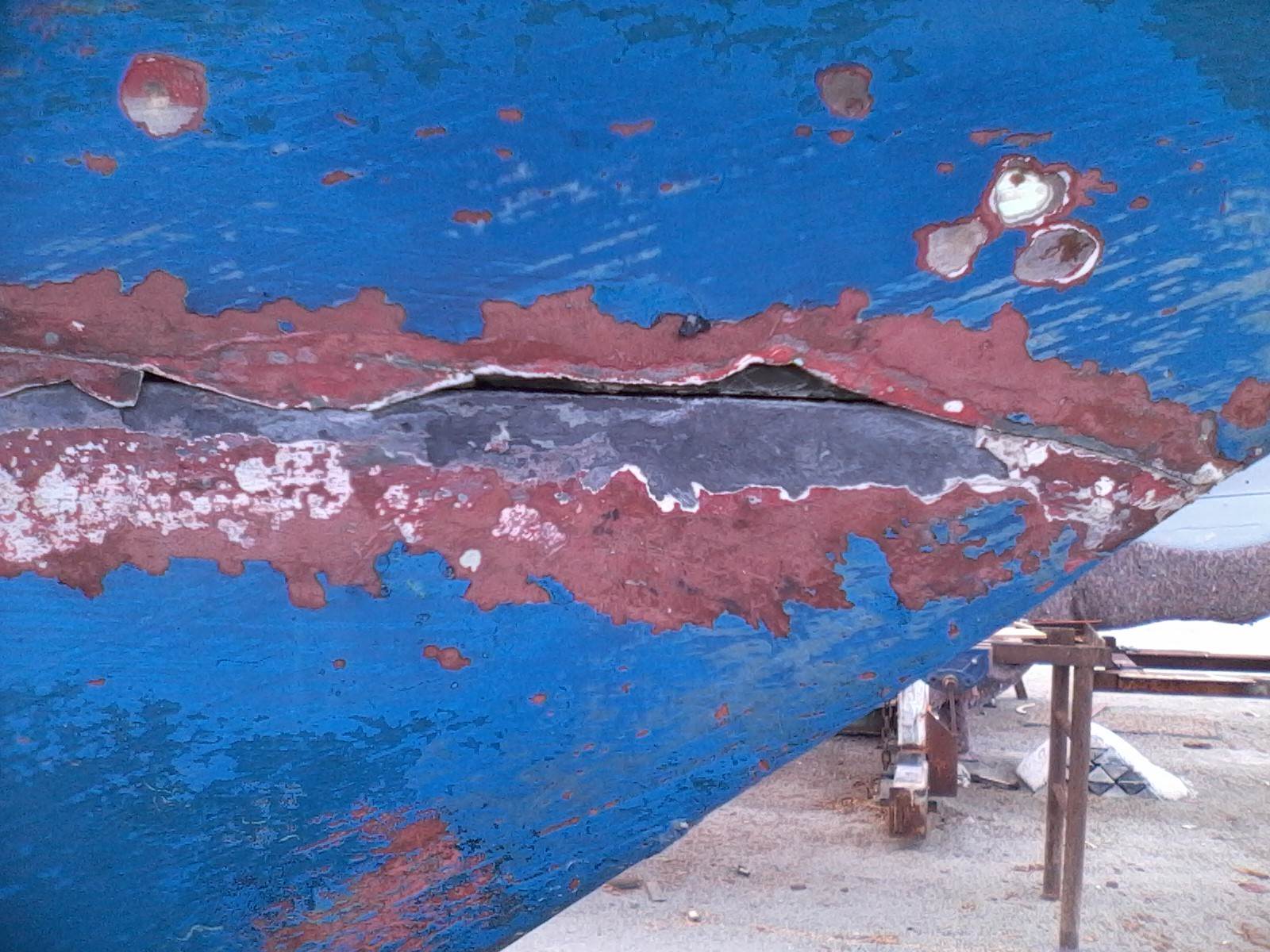

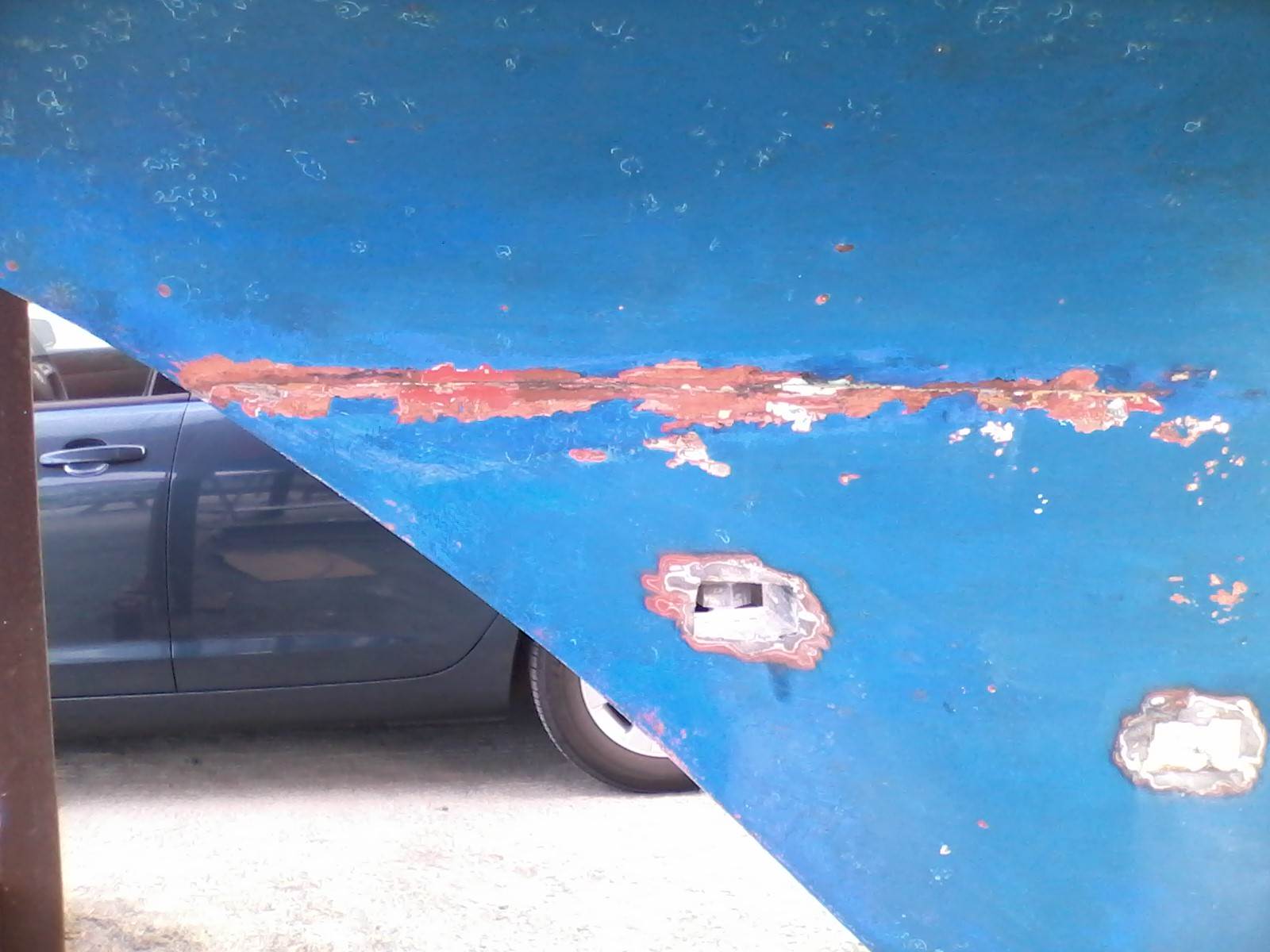
At least it's lead! My last keel was cast iron. Maybe worth lifting the hull and re-sealing with fixtech 15 and then re-tension keel bolts......its going to coat some boat dollars!
Keel off,,,, Bedding broken away from lead and hull except for a small patch that let go when the hull lifted away. In some places the bedding had disappeared.

Beautiful see if you can get fixtech 15 sealant if not use sikaflex or similar. You will have peace of mind now that your doing the job complete ! most polyurethane sealents are paintable but it's worth using a epoxy undercoat over your new repairs before the Antifoul. Have fun.
Select to expand quotesouthace said..
Beautiful see if you can get fixtech 15 sealant if not use sikaflex or similar. You will have peace of mind now that your doing the job complete ! most polyurethane sealents are paintable but it's worth using a epoxy undercoat over your new repairs before the Antifoul. Have fun.
Too late Southace, Its all back together now. But if it starts to crack again I will take it off and try something different. Hull has had a few coats of epoxy and a few more to go when the weather warms up again .( check out the thousands of tiny blisters on the hull)
Hi all, do not use any flexible sealant in its entirety , by all means use it around every bolt penetration and use a solid epoxy glue for the remainder which has a decent work life. EPIGLUE is an old favourite ad chopped fibre if gap in areas exceeds 8mm . Definitely lube the bolts and it looks like a mobile hoist is available so when refitting see if the operator will let you in the boat so he can lower the boat onto the keel as much as possible .
Tighten the bolts to a prescribed torque , clean up and stand back and look if all is plumb and walk away , If the torque setting is not available do them up as hard as you can and again when all has cured.
The reason why you should not use flexible sealant 100% is because it is always flexible and it will wobble over time .
Cheers
What did you use to re-seal? did you try to re-seal once the sealent cured? 7 days on the hard? Those little blisters are more just a pain.... The big blisters delamainting the glass and full of toxic moisture are the biggest problem. you should be able to take the little ones out with 80grit if you ever get her blasted back Into those Gel coat blisters
Select to expand quoteskillinacan said..
Hi all, do not use any flexible sealant in its entirety , by all means use it around every bolt penetration and use a solid epoxy glue for the remainder which has a decent work life. EPIGLUE is an old favourite ad chopped fibre if gap in areas exceeds 8mm . Definitely lube the bolts and it looks like a mobile hoist is available so when refitting see if the operator will let you in the boat so he can lower the boat onto the keel as much as possible .
Tighten the bolts to a prescribed torque , clean up and stand back and look if all is plumb and walk away , If the torque setting is not available do them up as hard as you can and again when all has cured.
The reason why you should not use flexible sealant 100% is because it is always flexible and it will wobble over time .
Cheers
I think it's too late one time poster ......but I do like your theroy. my question would be using the glue and chopped fibre how would you remove the keel in the future if needed to be?
I remember a story from NZ about sikaflex keel on a yacht apparently they had to bolt the keel to the ground to remove the seal after the bolt where removed I think it was on a 60 foot racer maybe a Volvo
Southace, I used polyester resin with talc, So its bedded up hard, I chose not to use epoxy to glue it back together as Skillinacan suggested because it would probably damage the bottom of the boat if I ever had to remove the keel again, but it would have been a superior product. The procedure was done just how Skillinacan described.
cool mate it should last your life time. Note you should glass up the keel joint if you use that method well that's what I would do to keep the water away from the talc . Happy sailing soon.
Hi all
I have no problem with using polyester and talc apart from talc is no good below waterline if can get wet and the work life of polyester is minimal.The boat looks polyester as she is too old for vinyl and the blisters are definitely a polyester osmosis .
If in the future the keel needs to be removed it is for a far bigger problem then just removal , always leave an identifiable seem that can be found via a bit of a grind and cut .
I can guarantee that the vessel in N/Z if was a Volvo had a bulb which is totally different set up. Yes Sika,fixtech and most urethane sealants are strong but FLEXIBLE.
OK that is fine ,if you like the idea of using a gasket which comes in a liquid that has adhesion property's go for it . But please check the torque of the bolts for the rest of her life or until the lead compresses against the glass . I guarantee on next haul out (annual) the sealant will be compressing and oozing out .
Down wind in 25 + and a vibration is felt is definitely not comfortable.
Happy Sailing
I wouldn't recommend bolting a skin fitting with only polyester unless it was glassed in.
polyurathine is flexible perfect for compressing fittings. your advise I don't recall from previos experence works as I was a marine travel lift operatrer for many years.
I totally agree with skin fittings etc , but keel fastening is totally different , everyone is correct is one way or another.